
Geopolitics
Europe’s Protests and Planned Strikes: Is a Wider Social Crisis Taking Shape?
By Alain Nzeyimana ·
Europe’s Protests and Planned Strikes: Is a Wider Social Crisis Taking Shape?
Europe’s Protests and Planned Strikes: Is a Wider Social Crisis Taking Shape?
Get our raw articles before they are published anywhere else. Join the official Verifyr Telegram Channel t.me/VerifyrOfficiaVerifyr Intelligence | Europe
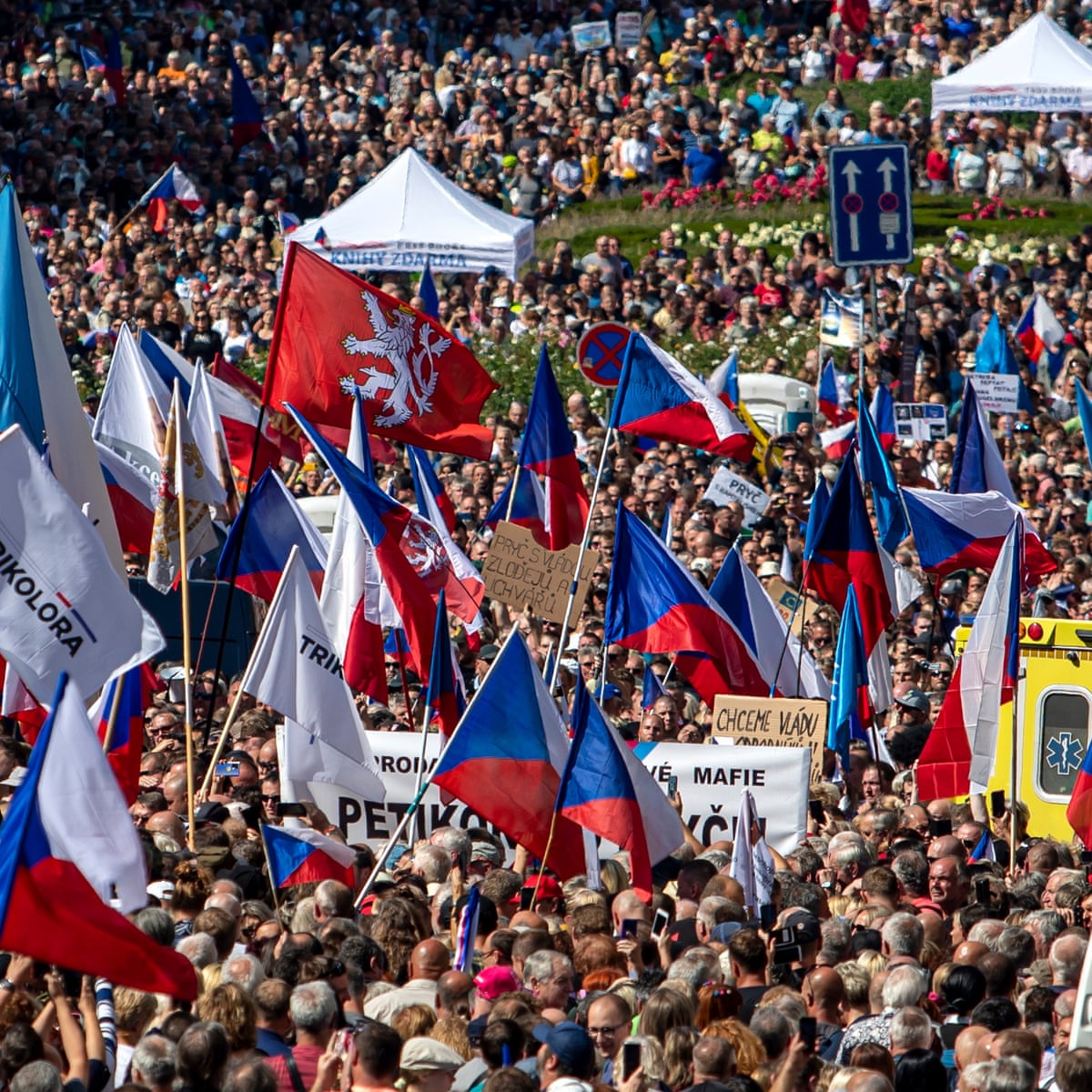
Protests are taking place across Europe, while unions and campaigners are preparing further strikes in the coming weeks. From France and Italy to Spain and Portugal, demonstrators are raising concerns about living costs, housing, wages and public services. The grievances differ between countries, but a common question is emerging: are European governments responding adequately to the economic pressures facing ordinary citizens?
The latest demonstrations on 24 October brought these tensions into focus. France saw major nationwide rallies, Spain witnessed renewed mobilisation over pensions, and housing affordability remained a central issue in Portugal. Meanwhile, further industrial action has been announced or proposed in several countries. These developments point to growing social pressure, although they do not amount to one coordinated European protest movement.
Different countries, overlapping frustrations
France remains a key centre of mobilisation. Protesters have raised concerns about purchasing power and public services, while unions are preparing further action. Demonstrations were called for 31 October, followed by a planned nationwide strike on 5 November. The challenge for the government is to respond to public demands amid political fragmentation and pressure on public finances.
Italy has seen students, workers and other groups mobilise around issues including education, employment and the cost of living. The CGIL trade union has called for a general strike on 20 November, adding to pressure on the government to address workers’ concerns.
Spain faces a combination of housing affordability concerns, labour disputes and demands for stronger pension protections. A general strike has been announced for 11 November, according to reporting by Le Monde. The planned action reflects wider tensions over wages, working conditions and economic security.
Portugal has also witnessed demonstrations over housing costs, wages and purchasing power. A proposed Iberian strike on 11 November could bring Portuguese and Spanish workers into coordinated action, although its final scope and participation remain uncertain.
These developments should be understood in their national contexts. Housing pressures in Spain and Portugal, for example, are not identical to France’s fiscal and political challenges. Nevertheless, they reveal how economic insecurity can become a source of sustained public mobilisation.
Is Europe facing a wider political problem?
Three themes connect many of these disputes.
First, the cost of living continues to shape public concerns, particularly where housing and essential expenses absorb a large share of household income.
Second, public services and workers’ rights remain contentious, with disagreements over wages, pensions, education and government spending.
Third, public confidence in political institutions can weaken when citizens believe their concerns are not being addressed. In such circumstances, demonstrations may expand beyond individual policy disputes and become broader challenges to political leadership.
However, simultaneous protests do not necessarily indicate a common political movement. Different unions, campaigners and citizens have distinct objectives, and the scale of participation varies between countries.
The next test will be whether planned strikes attract substantial participation and lead to negotiations, policy changes or further confrontation.
What happens next?
The announced dates provide several indicators to watch: France’s planned demonstrations and strike in early November, the proposed coordinated action in Spain and Portugal on 11 November, and Italy’s planned general strike later in the month.
Their eventual impact will depend on participation, which sectors take part and how governments respond. Widespread disruption could increase pressure on policymakers, but prolonged strikes may also affect businesses, transport and essential services.
For European governments, the challenge is to maintain public order while protecting the right to peaceful protest and addressing legitimate social and economic concerns.
Conclusion: Pressure is building, but the outcomes remain uncertain
Europe’s protests and planned strikes do not yet establish a continent-wide social uprising. They do, however, highlight recurring concerns about affordability, public services and economic security.
The political consequences will depend on whether governments can produce credible responses and whether protest movements can sustain public support beyond individual demonstrations.
The key question is no longer simply why people are protesting. It is whether European governments can address the pressures driving them before temporary unrest develops into prolonged industrial and political confrontation.
Alain Nzeyimana | Founder & CEO | Verifyr & BuyRent
Related intelligence
African Leaders Converge in Ethiopia as Geopolitical Stakes Rise
African Leaders Converge in Ethiopia as Geopolitical Stakes Rise
24 Oct 2026
The World’s Rivals Keep Coming to Beijing. That Is No Accident.
The World’s Rivals Keep Coming to Beijing. That Is No Accident.
24 Oct 2026
MELANIA'S TRUCE: WAS TRUMP HINTING AT SOMETHING BIGGER?
MELANIA'S TRUCE: WAS TRUMP HINTING AT SOMETHING BIGGER?
23 Oct 2026
Plans
Free
$0
Instant verdicts, no signup
Pro
$49
Full reports + certificates
Growth
$149
1,000 audits + team access
Newsroom report
$199
One analyst-reviewed certificate
Newsletter
Get verified stories in your inbox
One email when a new audit drops. No spam.