
Analysis
Ethiopia: A Conflict That Could Reopen the Horn of Africa
By Alain Nzeyimana ·
Ethiopia: A Conflict That Could Reopen the Horn of Africa
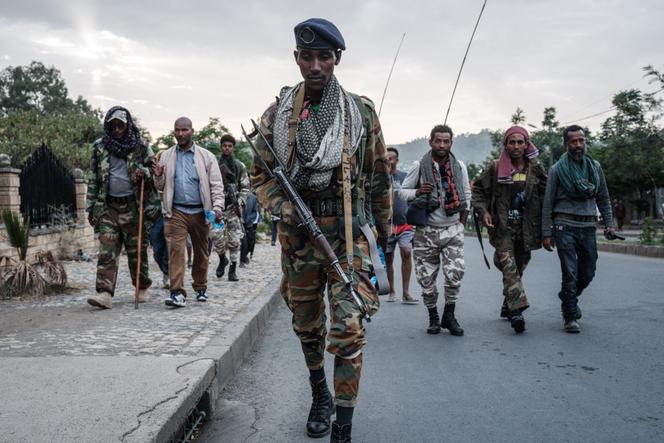
Ethiopia: A Conflict That Could Reopen the Horn of Africa
Get our raw articles before they are published anywhere else. Join the official Verifyr Telegram Channel t.me/VerifyrOfficiaJust when the Horn of Africa appeared to be moving beyond years of devastating conflict, Ethiopia once again finds itself standing at the edge of a dangerous precipice.
The warning signs are becoming increasingly difficult to ignore. Political tensions are deepening, old rivalries are resurfacing, and the fragile balance that emerged after the Tigray conflict is showing new signs of strain. If those tensions escalate into open confrontation, the consequences will extend far beyond Ethiopia's borders.
This is not simply a domestic issue involving one African nation. Ethiopia is the demographic, economic and political heavyweight of the Horn. What happens in Addis Ababa rarely stays within Ethiopia. Instability there reverberates across the region, influencing trade routes, migration patterns, security arrangements and diplomatic relations from Sudan and Eritrea to Somalia, Djibouti and beyond.
The region's strategic importance makes the stakes even higher. The Horn sits along some of the world's most critical maritime corridors, linking Africa, the Middle East and global markets through the Red Sea. Any significant deterioration in security risks disrupting commercial activity, discouraging investment and creating new humanitarian emergencies in a region that is already grappling with economic pressure, climate challenges and displacement crises.
History offers a sobering lesson. The conflicts that have shaped the Horn have rarely remained confined within national borders. Political disputes quickly evolve into regional concerns. Armed groups find external backers. Refugee flows strain neighbouring states. Diplomatic tensions harden into strategic confrontations. What begins as a local crisis can rapidly become a regional emergency.
Ethiopia's internal divisions therefore carry continental significance. The country has spent decades pursuing a delicate balance between competing political forces, ethnic identities and regional interests. Preserving that balance has never been easy, but the alternative could prove disastrous. Renewed violence would not only threaten lives and livelihoods inside Ethiopia but could reverse years of progress made across the wider region.
For governments, investors and international partners, the message is clear: this is not a moment for complacency. Preventive diplomacy is always less costly than crisis management. Once conflicts reach the battlefield, opportunities for compromise narrow and the human cost rises exponentially.
The Horn of Africa has already paid an enormous price for instability. Another major conflict in Ethiopia would risk reopening old wounds, creating new fault lines and undermining hopes for lasting regional integration.
The choice facing Ethiopia and its neighbours is stark. Invest in dialogue now, or confront the far greater costs of conflict later.
Alain Nzeyimana Founder & CEO | Verifr & BuyRent
Related intelligence
America’s Jobs Market Is Losing Momentum — What Happens Next?
America’s Jobs Market Is Losing Momentum — What Happens Next?
5 Oct 2026
M23 Has Reached the Ground. So Has the Great Lakes Power Struggle.
M23 Has Reached the Ground. So Has the Great Lakes Power Struggle.
24 Aug 2026
Trump, the Midterms and the Long Wait to 2028
Trump, the Midterms and the Long Wait to 2028
23 Aug 2026
Plans
Free
$0
Instant verdicts, no signup
Pro
$49
Full reports + certificates
Growth
$149
1,000 audits + team access
Newsroom report
$199
One analyst-reviewed certificate
Newsletter
Get verified stories in your inbox
One email when a new audit drops. No spam.