
Geopolitics
Kimberly Guilfoyle: When Diplomacy Meets Geopolitical Rivalry
By Alain Nzeyimana ·
Kimberly Guilfoyle: When Diplomacy Meets Geopolitical Rivalry
Kimberly Guilfoyle: When Diplomacy Meets Geopolitical Rivalry
Get our raw articles before they are published anywhere else. Join the official Verifyr Telegram Channel t.me/VerifyrOfficiaVerifyr Geopolitical Intelligence | October 13, 2026
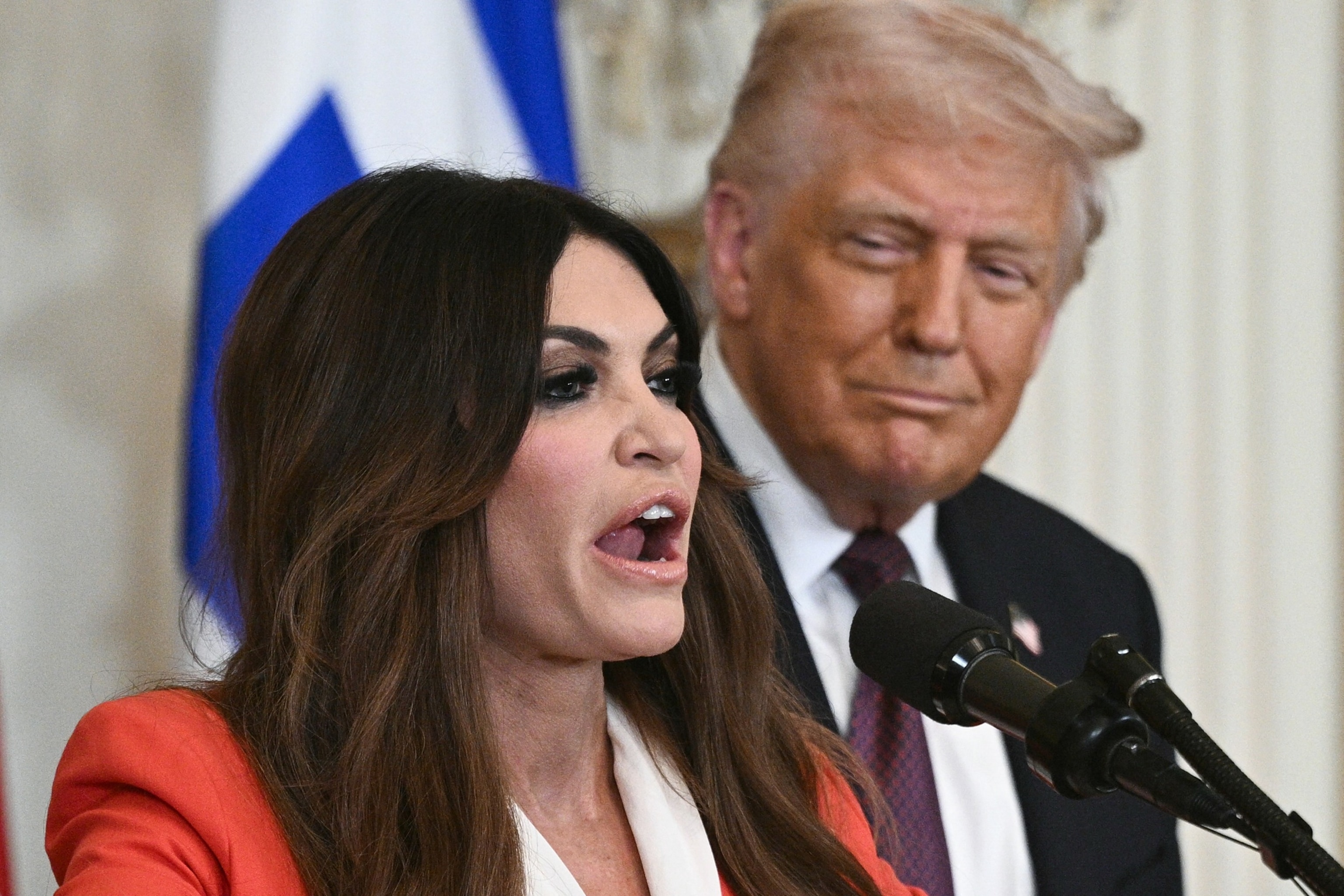
The White House has asked Kimberly Guilfoyle to resign as US ambassador to Greece following weeks of allegations concerning her conduct. President Donald Trump had publicly said a day earlier that he was considering firing her, adding: “We’re not happy.” Guilfoyle denies the allegations and says she will vigorously defend her reputation.
But beyond the controversy lies a broader geopolitical story.
Greece occupies a strategic position at the crossroads of Europe, the Balkans and the eastern Mediterranean. It is a NATO ally, an important maritime hub and a growing gateway for energy supplies entering southeastern Europe.
During her tenure, Guilfoyle highlighted efforts to expand US liquefied natural gas exports, advance the Vertical Gas Corridor and strengthen defence cooperation with Greece. These priorities reflect Washington’s broader interest in reducing Europe’s dependence on Russian energy while expanding American commercial and strategic influence.
China also has significant commercial interests in Greece. Chinese state-owned COSCO holds a 67% stake in the port of Piraeus, a major link between Asian shipping networks and European markets. The port has become an important example of how commercial infrastructure intersects with strategic competition.
For Washington, energy routes, ports and defence partnerships are not isolated concerns. They form part of a wider contest for influence involving Russia, China and Western powers.
The allegations against Guilfoyle include claims concerning financial dealings, private commercial interests and her interactions with Greek officials. These remain allegations, not established findings of wrongdoing. Their seriousness, however, has placed her diplomatic tenure under scrutiny and prompted the administration to seek her departure.
The distinction is important: promoting American energy exports and strengthening an alliance are legitimate diplomatic objectives. Questions about an official’s personal conduct must be assessed separately, on the evidence.
The wider lesson is that geopolitical influence depends on more than energy contracts, infrastructure and military partnerships. It also depends on diplomatic credibility.
Guilfoyle’s departure does not remove Washington’s strategic interests in Greece. The competition over energy, maritime access and regional influence will continue.
For Greece, the challenge is to benefit from international partnerships while protecting its sovereignty and maintaining room to manoeuvre between competing powers.
For the United States, the challenge is to advance its strategic objectives while preserving the credibility of the diplomacy through which they are pursued.
Verifyr Geopolitical Intelligence examines the intersection of power, strategic infrastructure, international competition and information integrity.
By Alain Nzeyimana Founder & CEO | Verifyr & BuyRent
Related intelligence
Brazil: The Global Power That Refuses to Choose a Side
Brazil: The Global Power That Refuses to Choose a Side
5 Oct 2026
Greenland, Russia, Britain and the Red Sea Signal a New Geopolitical Era
Greenland, Russia, Britain and the Red Sea Signal a New Geopolitical Era
18 Sept 2026
Trump in Dublin: A Remark That Reopened Ireland’s Biggest Geopolitical Question
Trump in Dublin: A Remark That Reopened Ireland’s Biggest Geopolitical Question
13 Sept 2026
Plans
Free
$0
Instant verdicts, no signup
Pro
$49
Full reports + certificates
Growth
$149
1,000 audits + team access
Newsroom report
$199
One analyst-reviewed certificate
Newsletter
Get verified stories in your inbox
One email when a new audit drops. No spam.