
Culture
The Baby Shark Boy Grew Up. Now the Internet Has to Learn to Let Him Go.
By Alain Nzeyimana ·
The Baby Shark Boy Grew Up. Now the Internet Has to Learn to Let Him Go.
The Baby Shark Boy Grew Up.
Get our raw articles before they are published anywhere else. Join the official Verifyr Telegram Channel t.me/VerifyrOfficiaNow the Internet Has to Learn to Let Him Go.
He was seven when the world met him. Ten years later, Park Geon-roung is returning—not as a meme, but as an artist.
For millions of people, he is still seven years old.
Dancing beside a cartoon shark.
Moving his arms.
Smiling through one of the catchiest songs ever to escape the internet.
But the child grew up.
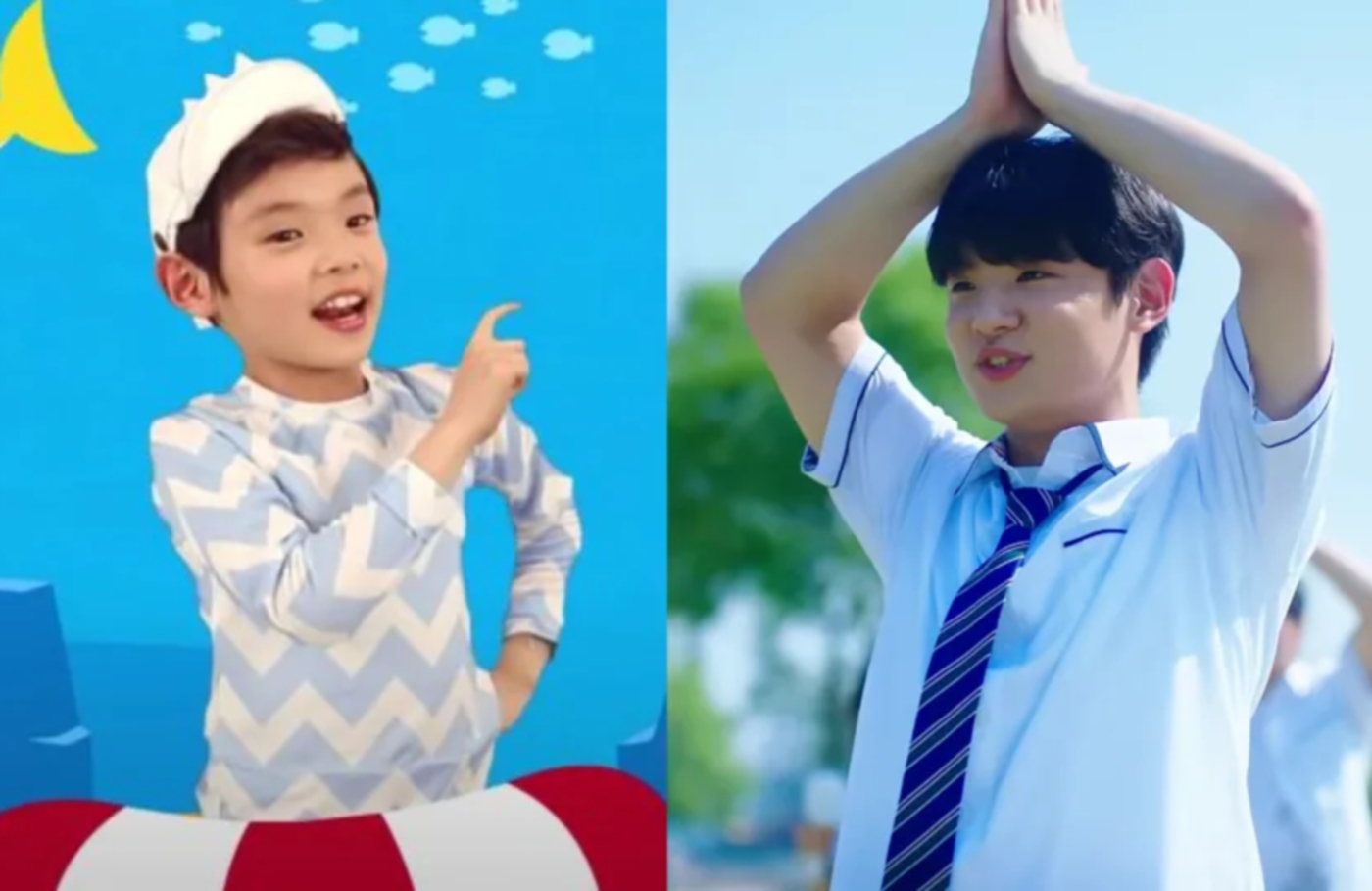
Park Geon-roung, one of the young performers in the 2016 Baby Shark Dance phenomenon, is now 17 and beginning a K-pop career under the name Baby Shark Boy. His debut single, Wave, marks a return to the public almost a decade after he became part of the most-watched video in YouTube history.
The obvious story is nostalgia.
The more interesting story is about what happens when internet history meets human development.
Because Park may be among the first generation of children who became globally recognisable through an algorithm before they were old enough to understand what global fame meant.
The internet never forgets. People do not stay the same.
Baby Shark Dance was released in 2016.
The video became a global cultural phenomenon, passed 17 billion views and remains the most-watched video on YouTube. For years, its song and choreography travelled through homes, nurseries, schools, stadiums and social media around the world.
For the internet, the image is frozen.
For Park, ten years passed.
That difference matters.
The digital age has created a strange new form of immortality. A child's voice, face, dance or embarrassing moment can survive indefinitely online. Search for that person ten years later and the algorithm will often return the version of them that made the internet famous.
But human beings continue moving forward.
The internet remembers the child.
The child becomes an adult.
And sometimes the two versions meet again.
That is what is happening with Baby Shark Boy.
From internet phenomenon to K-pop artist
Park's debut single, Wave, deliberately connects his past and future.
The song opens with a familiar reference to the melody associated with Baby Shark before moving into a different electropop direction. Park also contributed to the lyrics, while Joohoney of Monsta X features on the track.
That is not an accident.
The challenge was always going to be identity.
Should Park completely abandon Baby Shark?
Or should he accept that millions of people already know him through that story?
The answer appears to be somewhere in between.
He is not pretending the past never happened.
But he is also trying to make sure the past does not become a permanent cage.
The message behind the project is simple:
«Ten years ago, people saw him dance. Now he wants them to hear his voice.»
That may be one of the defining challenges for the first generation of children shaped by internet fame.
How do you grow beyond the identity that made you famous when the internet keeps replaying it forever?
Baby Shark is bigger than a song
The scale of Baby Shark is almost difficult to comprehend.
Seventeen billion views is not simply a successful video.
It is a global cultural infrastructure.
It has crossed languages, generations and national borders. It has been sung by children who may have no idea where it came from. It has been performed, parodied, commercialised and absorbed into global popular culture.
And at the centre of that digital phenomenon was a child.
This is where the story becomes bigger than Park himself.
The first generation of internet child stars did not grow up under the same system as earlier television celebrities.
A television programme ended.
An internet video does not.
A child actor might once have left a series behind.
Now the footage can be recommended to new audiences decades later.
The algorithm can bring childhood back at any moment.
The burden of being permanently recognisable
There is something both remarkable and potentially difficult about this.
Fame once had an expiry date.
The internet changed that.
Today's teenagers can still be haunted by something posted when they were twelve. A meme from years ago can return without warning. A viral child performer can discover that millions of strangers continue interacting with a version of them that no longer exists.
Park's story is a positive version of that phenomenon.
He appears to be embracing his past.
But not every internet child will have that experience.
The broader cultural question is becoming increasingly important:
«What responsibility does the internet have when its most permanent memories belong to people who were too young to understand the consequences of becoming famous?»
We are only beginning to deal with that question.
South Korea understands the value of cultural reinvention
Park's return is also a distinctly modern example of the South Korean cultural machine.
K-pop has become one of the world's most sophisticated systems for turning identity, music, fashion and storytelling into global cultural power.
Pinkfong is now attempting something interesting: connecting one of its biggest global intellectual properties to the real-life growth story of one of the children associated with it.
That is smart.
Baby Shark was a global IP.
Baby Shark Boy is now a potential artist.
The question is whether the public will accept the transition.
Can the child who danced in the world's biggest children's video become a credible musician?
The internet will decide.
But the internet is not always generous.
It loves nostalgia.
It is often less comfortable with change.
The danger of becoming a brand before becoming yourself
There is another issue beneath the nostalgia.
Children are increasingly entering public life through platforms.
Some become family influencers.
Some become viral dancers.
Some become YouTube stars.
Some become the faces of enormous brands before they have developed an adult identity of their own.
The public sees them as content.
Their parents may see an opportunity.
Companies see an audience.
Algorithms see engagement.
But the child eventually becomes an adult.
And then comes the difficult transition:
Who are they when the thing that made them famous is no longer who they are?
Park's K-pop debut is an unusually public attempt to answer that question.
He is not trying to erase Baby Shark.
He is trying to move forward from it.
The internet's memory is permanent. A person's identity should not be.
There is a tendency to treat nostalgia as harmless.
But nostalgia can also freeze people in time.
That is particularly true for anyone who became famous as a child.
We want the familiar version.
The child.
The dance.
The song.
The meme.
We want the person to remain exactly where we left them.
But they do not.
Park Geon-roung is now 17.
The seven-year-old child associated with Baby Shark is part of his story.
It should not be the whole story.
And perhaps that is why his return is culturally interesting.
This is not simply a K-pop launch.
It is a transition from being remembered to being heard.
The bigger lesson: we need to let internet children grow up
The first generation of children made globally visible by the internet is entering adulthood.
That will create more stories like this one.
Children once known for a viral video will become musicians, entrepreneurs, athletes, actors and ordinary adults.
Some will want to revisit their internet past.
Others will want nothing to do with it.
Both choices should be possible.
The culture around them will need to change too.
Platforms and audiences must begin to recognise that permanent digital memory does not mean permanent identity.
A person should not be trapped by the most-viewed moment of their childhood.
There is a practical lesson for the technology and entertainment industries as well: when children become part of commercially valuable global content, their long-term rights, privacy and control over their own identity should not be treated as an afterthought.
Because the child grows up.
The audience moves on.
The algorithm remembers.
The person still has to live with what the internet keeps replaying.
Park Geon-roung's story offers a hopeful alternative.
He is not running from Baby Shark.
He is taking control of what comes next.
And perhaps that is the most important part of this story.
«The internet made him famous before he had a voice. Now he is returning to find his own.»
The real test will be whether the world is willing to hear it.
By Alain Nzeyimana Founder & CEO | Verifyr
Related intelligence
Zendaya & Tom Holland: Hollywood’s Most Private Power Couple
Zendaya & Tom Holland: Hollywood’s Most Private Power Couple
19 Aug 2026
Kimberly Guilfoyle: When Diplomacy Meets Geopolitical Rivalry
Kimberly Guilfoyle: When Diplomacy Meets Geopolitical Rivalry
13 Oct 2026
Ethiopia: A Conflict That Could Reopen the Horn of Africa
Ethiopia: A Conflict That Could Reopen the Horn of Africa
5 Oct 2026
Plans
Free
$0
Instant verdicts, no signup
Pro
$49
Full reports + certificates
Growth
$149
1,000 audits + team access
Newsroom report
$199
One analyst-reviewed certificate
Newsletter
Get verified stories in your inbox
One email when a new audit drops. No spam.