
Analysis
US Women in Politics: Power, Family and the Price of Leadership
By Alain Nzeyimana ·
US Women in Politics: Power, Family and the Price of Leadership
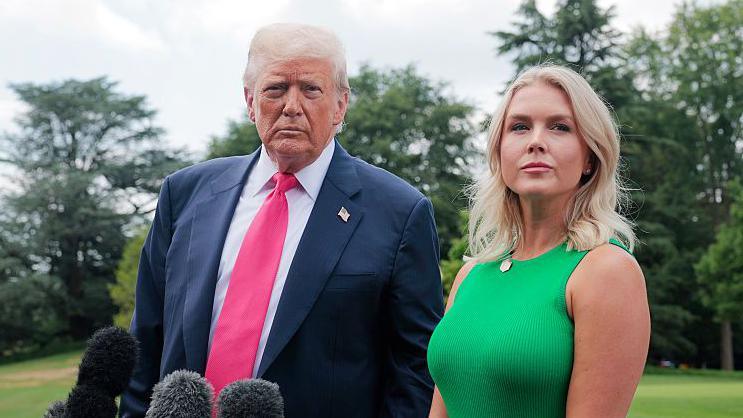
The Political Career Question America Doesn't Know How to Answer
Get our raw articles before they are published anywhere else. Join the official Verifyr Telegram Channel t.me/VerifyrOfficiaThe debate around Alexandria Ocasio-Cortez and Karoline Leavitt is being presented as a question about women, motherhood and political ambition. But the deeper issue is considerably bigger.
Can modern political leadership coexist with a normal family life?
American politics increasingly rewards permanent visibility. Campaigning never really stops. Social media turns politicians into 24-hour brands. The expectation is not simply to govern, but to communicate, respond, travel, fundraise and remain politically relevant almost continuously.
That creates a structural problem.
The traditional political career was already demanding. The digital political career is potentially limitless.
And women in politics are still judged through an additional lens that men frequently avoid: the expectation that they must demonstrate professional ambition without appearing to sacrifice family responsibilities.
That makes the comparison between figures such as Ocasio-Cortez and Leavitt particularly interesting—not because they represent the same politics, but because they operate within the same political system.
The real question isn't whether women can have both.
It is whether the political system itself has been designed around a model of leadership that makes both increasingly difficult.
There is also a broader institutional question here.
If political leadership requires extraordinary personal sacrifice, who ultimately gets filtered out?
People with young families? People without independent wealth? People who cannot afford the relentless travel and campaigning? People unwilling to turn their private lives into political content?
That matters because the composition of political leadership affects the decisions governments make.
The family-versus-career debate therefore shouldn't be reduced to a lifestyle discussion.
It is a question about who gets to participate in power.
And that is where this conversation becomes political in the deepest sense.
By Alain Nzeyimana Founder & CEO | Verifyr
Related intelligence
Ethiopia: A Conflict That Could Reopen the Horn of Africa
Ethiopia: A Conflict That Could Reopen the Horn of Africa
5 Oct 2026
America’s Jobs Market Is Losing Momentum — What Happens Next?
America’s Jobs Market Is Losing Momentum — What Happens Next?
5 Oct 2026
M23 Has Reached the Ground. So Has the Great Lakes Power Struggle.
M23 Has Reached the Ground. So Has the Great Lakes Power Struggle.
24 Aug 2026
Plans
Free
$0
Instant verdicts, no signup
Pro
$49
Full reports + certificates
Growth
$149
1,000 audits + team access
Newsroom report
$199
One analyst-reviewed certificate
Newsletter
Get verified stories in your inbox
One email when a new audit drops. No spam.